


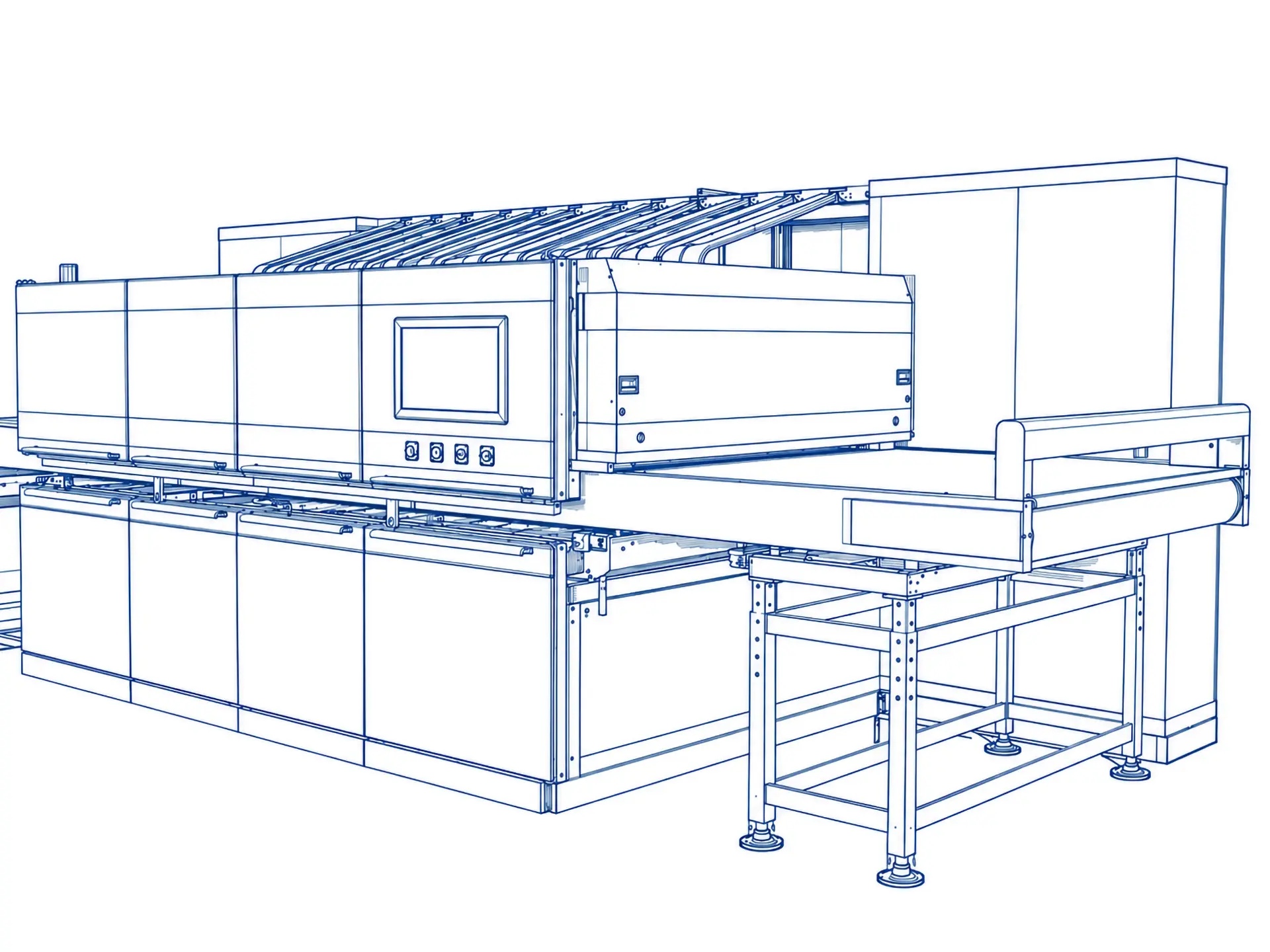
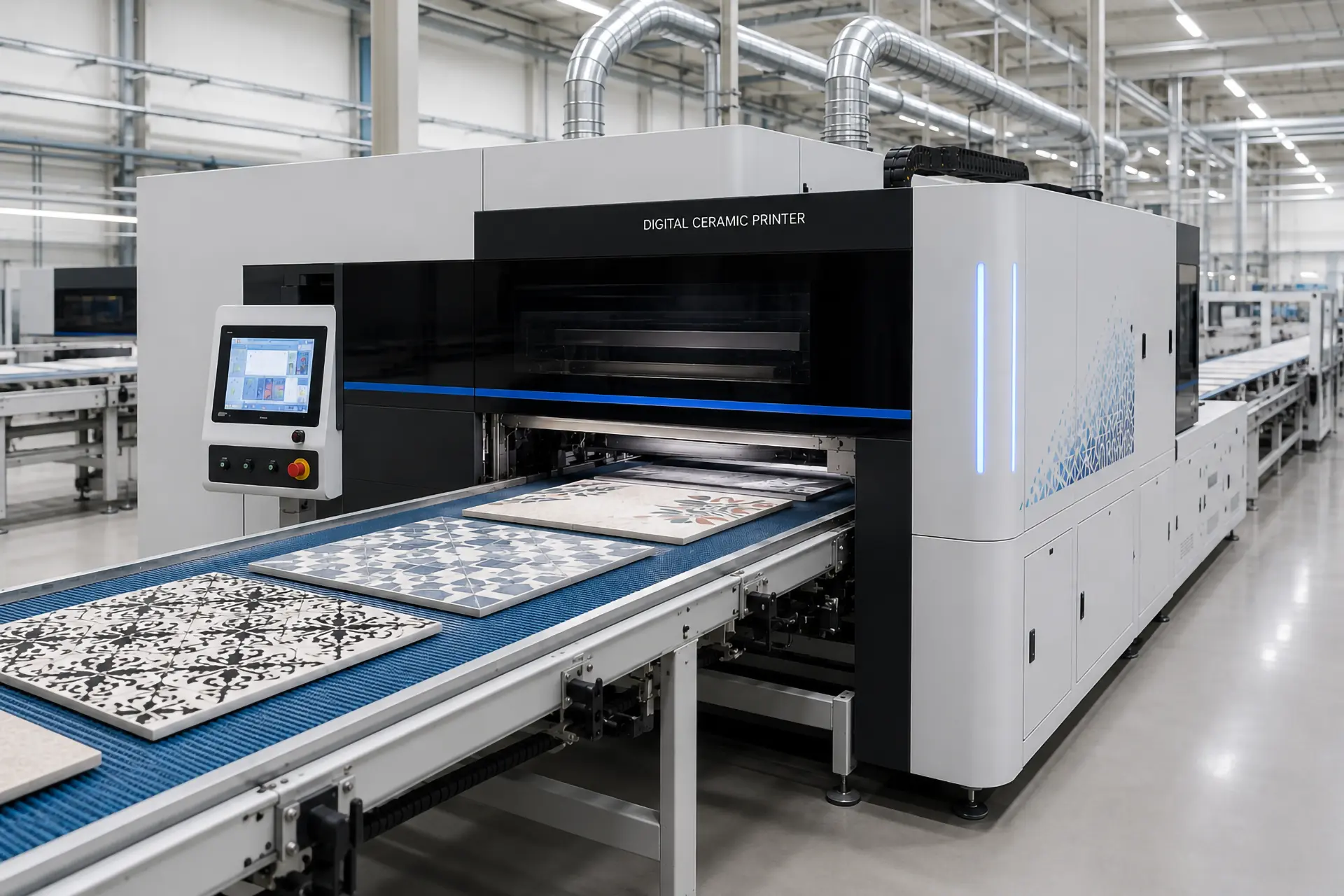
They are currently the most widely used technology for decorating ceramic surfaces. They make it possible to reproduce graphics and designs developed for the product with high precision. They are normally installed on the glazing line and can be configured as a single machine or as a coordinated sequence of several machines.
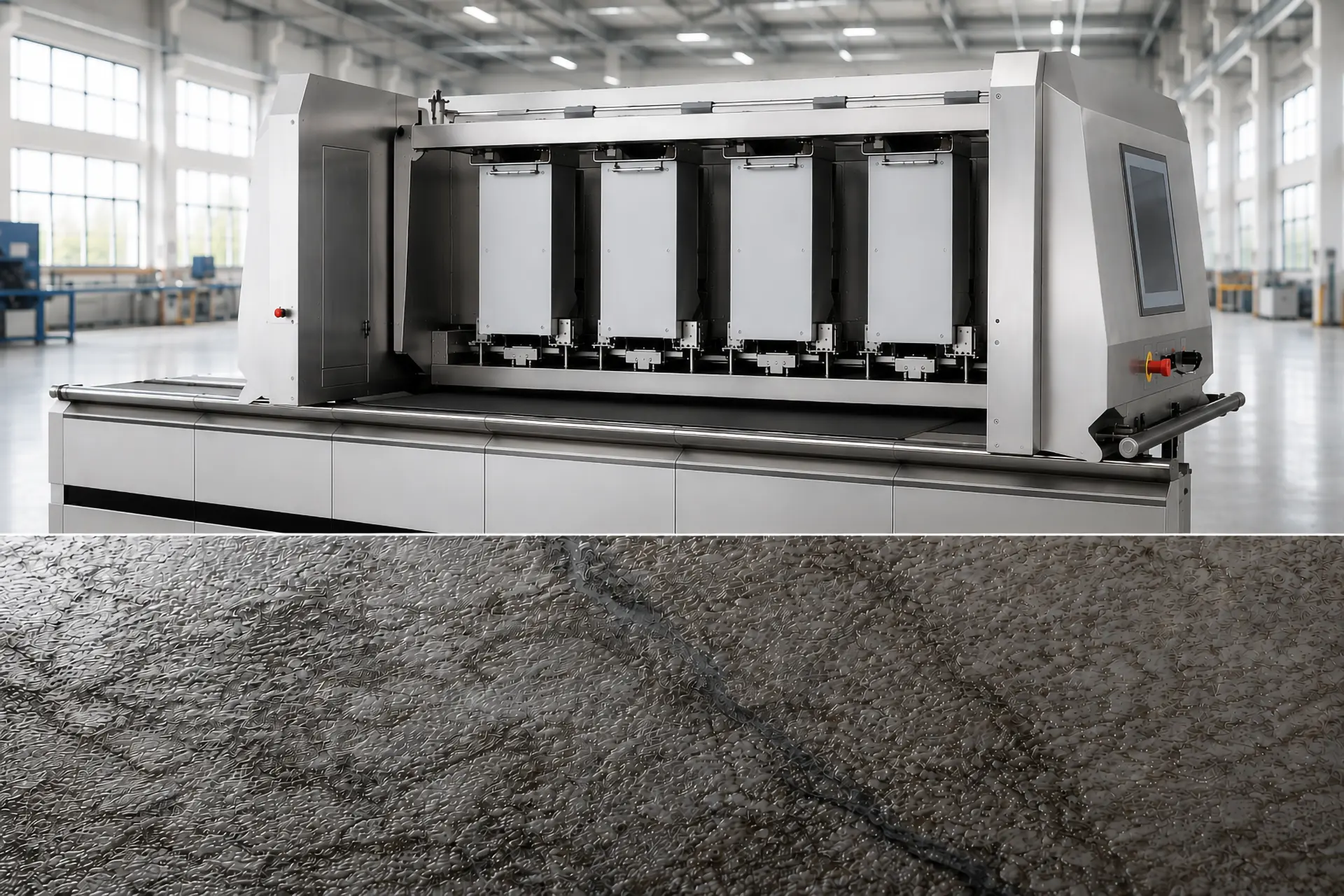
Used to obtain special aesthetic effects, they apply chemicals that create a slight texture on the tile surface. Depending on the production process, they can be installed before or after the dryer.
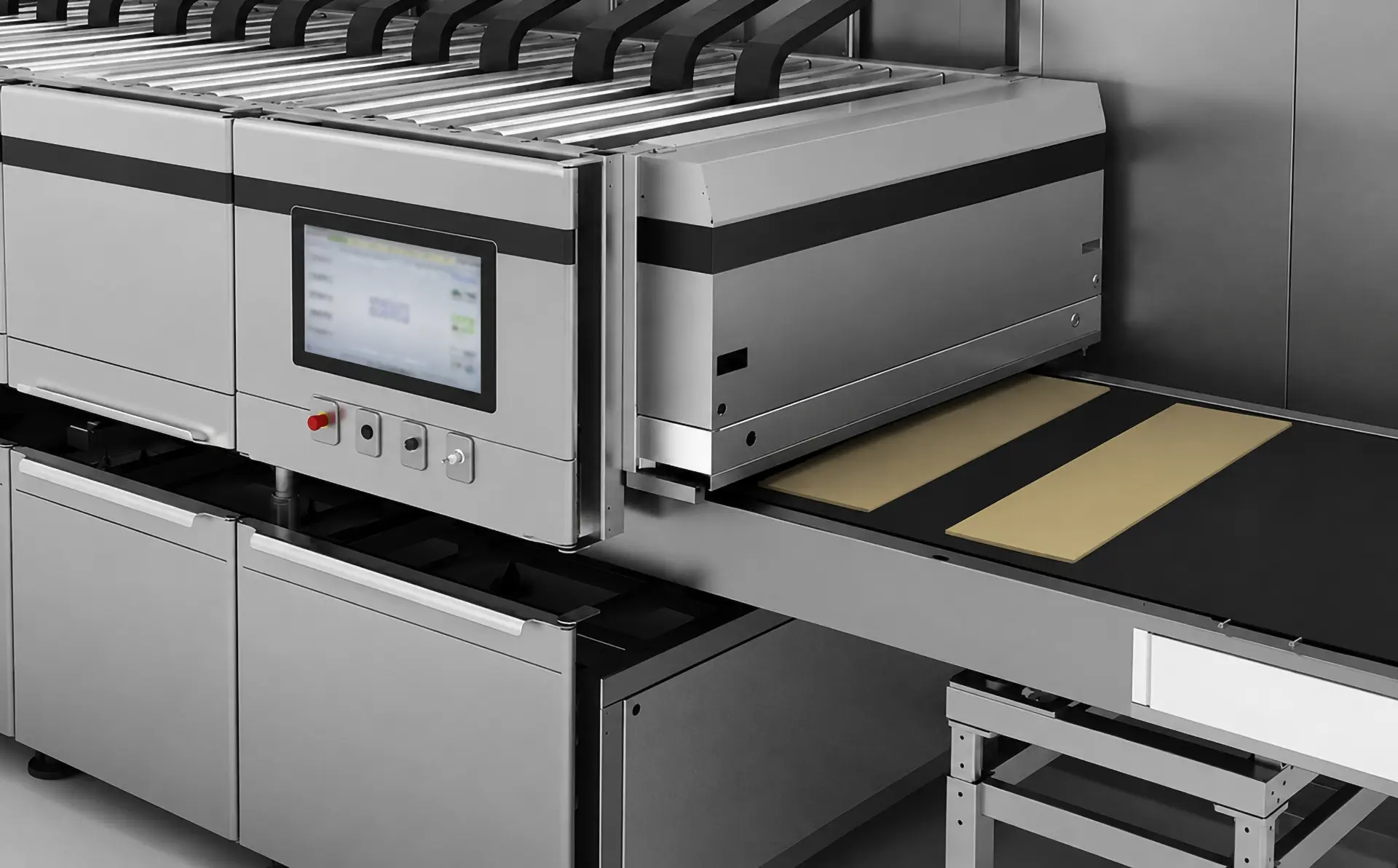
They enable digital application of so-called ‘materials’, specific products used to obtain special decorative effects, such as metallic finishes. The solution may involve a dedicated machine or dedicated bars integrated into ink-printing machines.
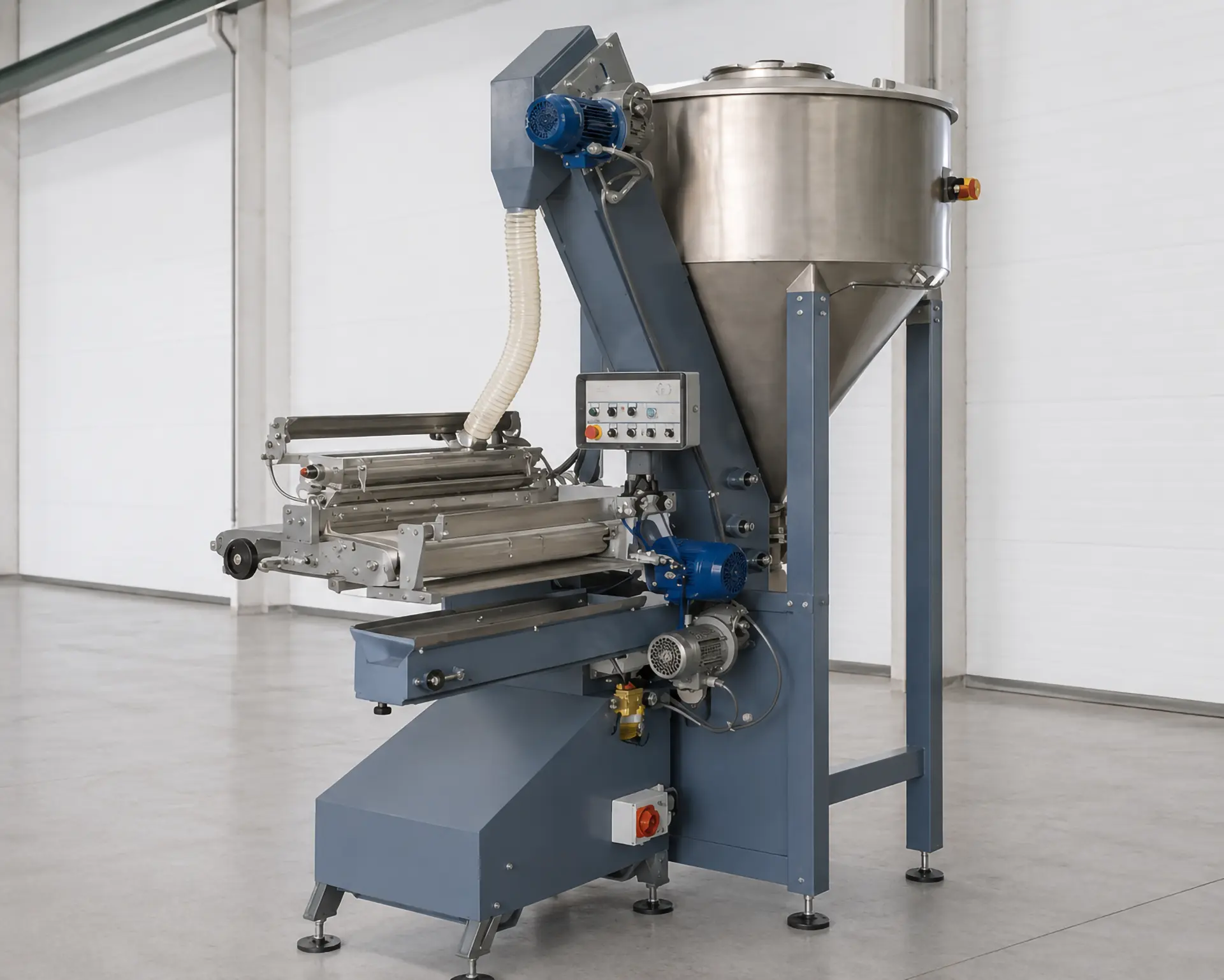
The application of granules makes it possible to obtain special surface effects and light relief textures. The two most common configurations are:
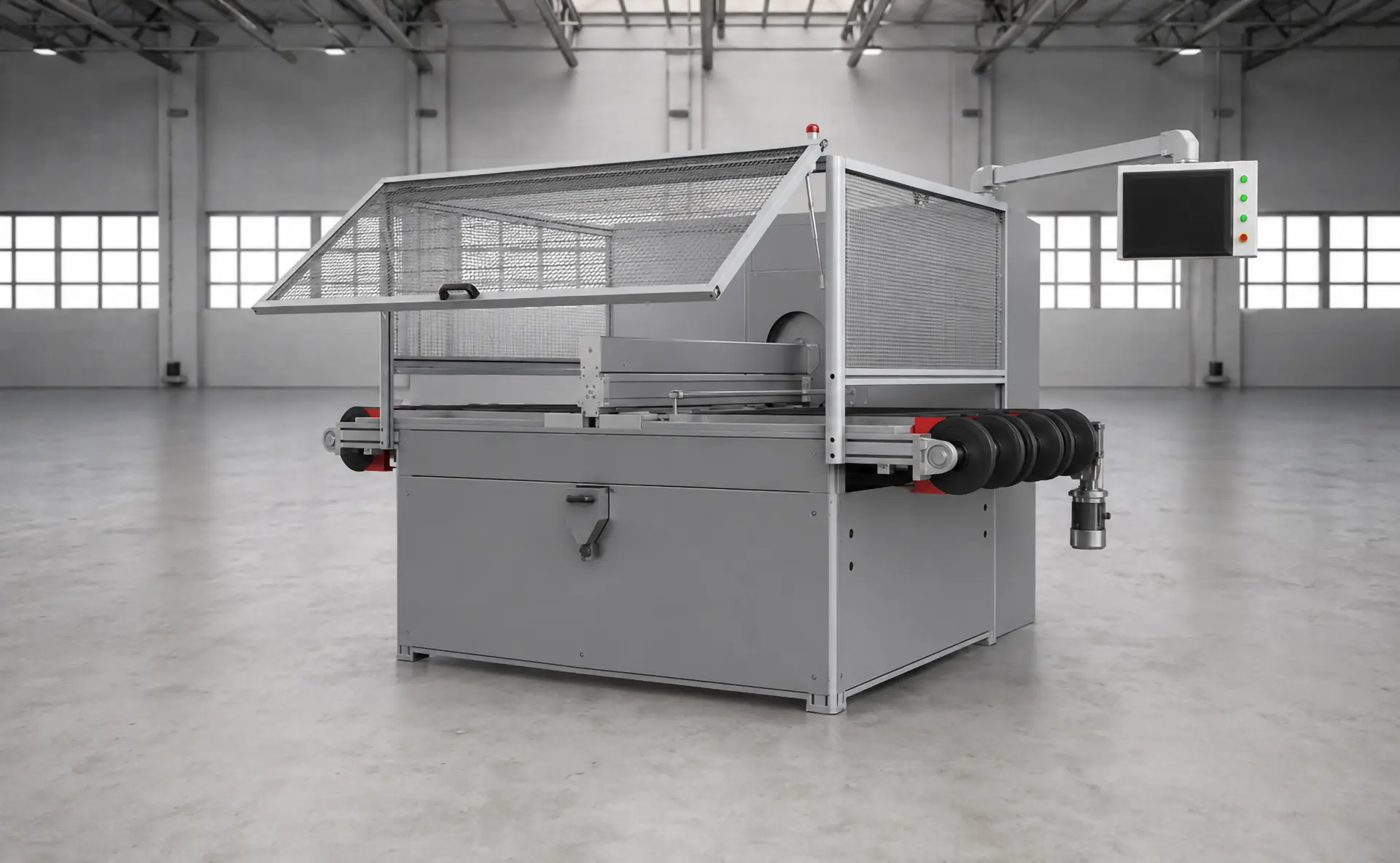
The evolution of digital technologies has also led to the development of machines dedicated to glaze application, expanding the possible configurations of the production process.
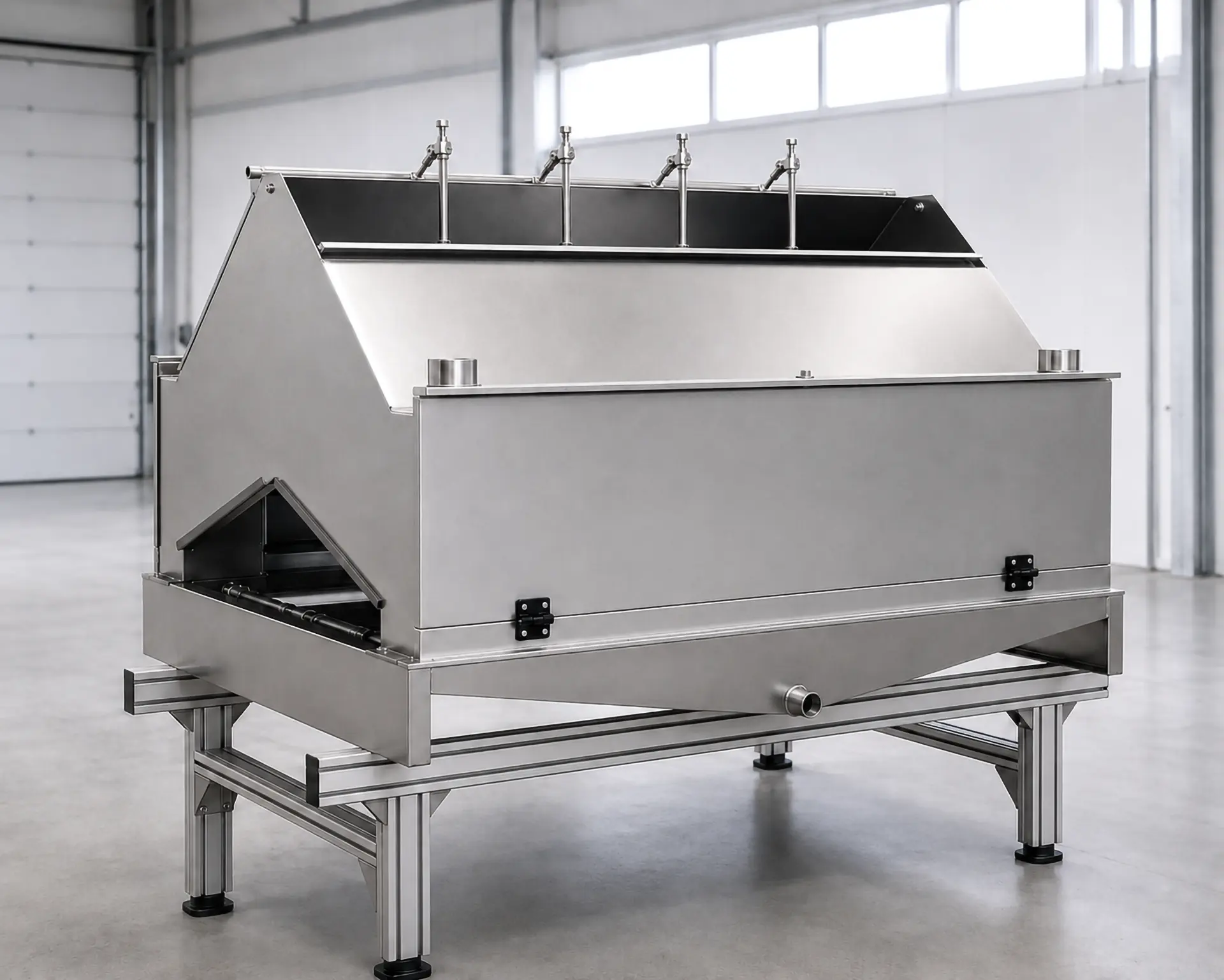
They are one of the most common alternatives to traditional bell or curtain systems. They help optimize glaze consumption and improve line cleanliness during the production process.
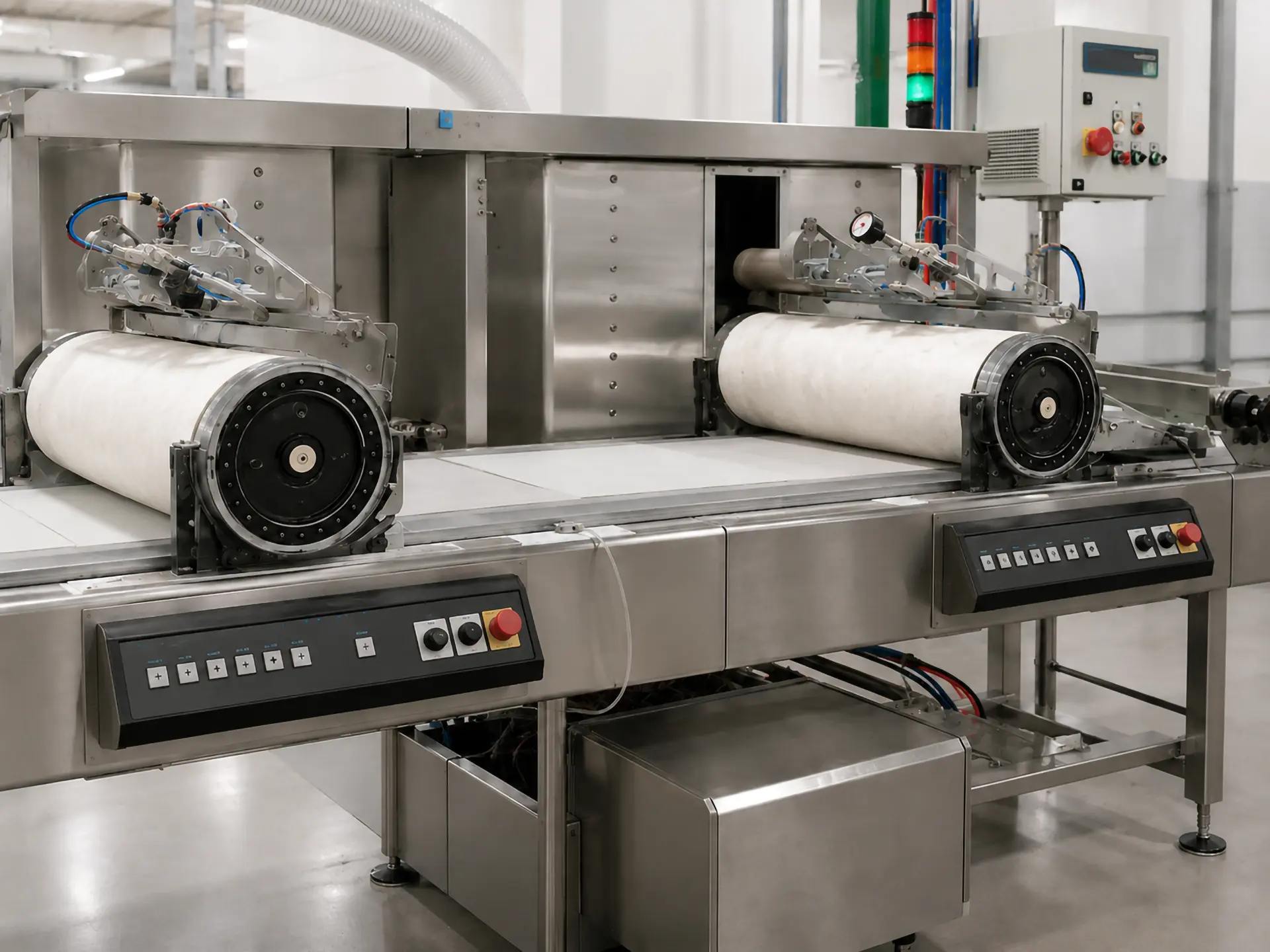
Traditional ‘Rotocolor’ machines, although progressively replaced by digital decoration, are still used in production. Today they are integrated with digital printing to obtain special aesthetic effects and combined decorative solutions.
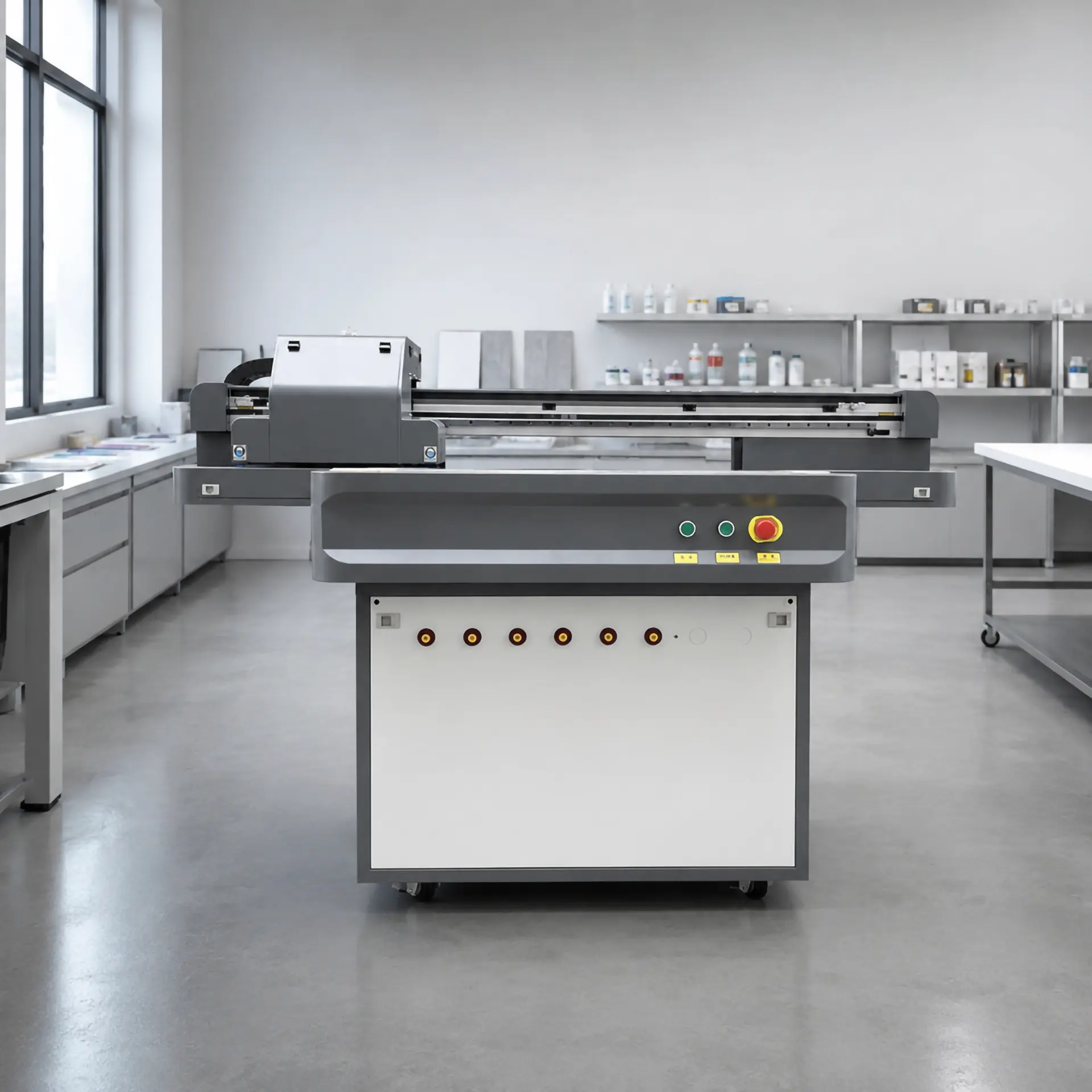
These are low-productivity digital printing machines used mainly in ceramic laboratories for research and development, print testing and new-product development.
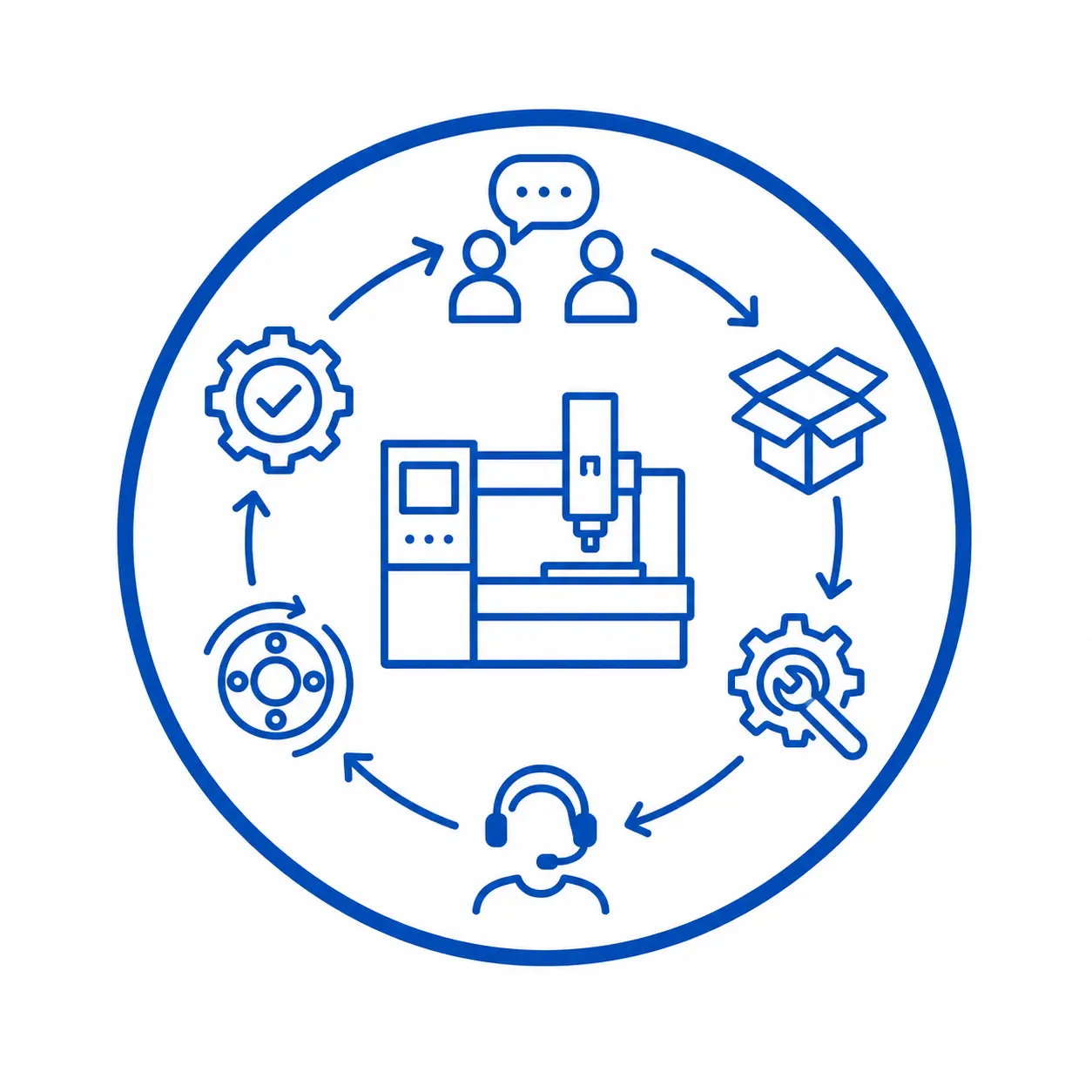
We know digital decoration machines, their components and operating principles. This experience allows us to identify the configuration best suited to actual production requirements.
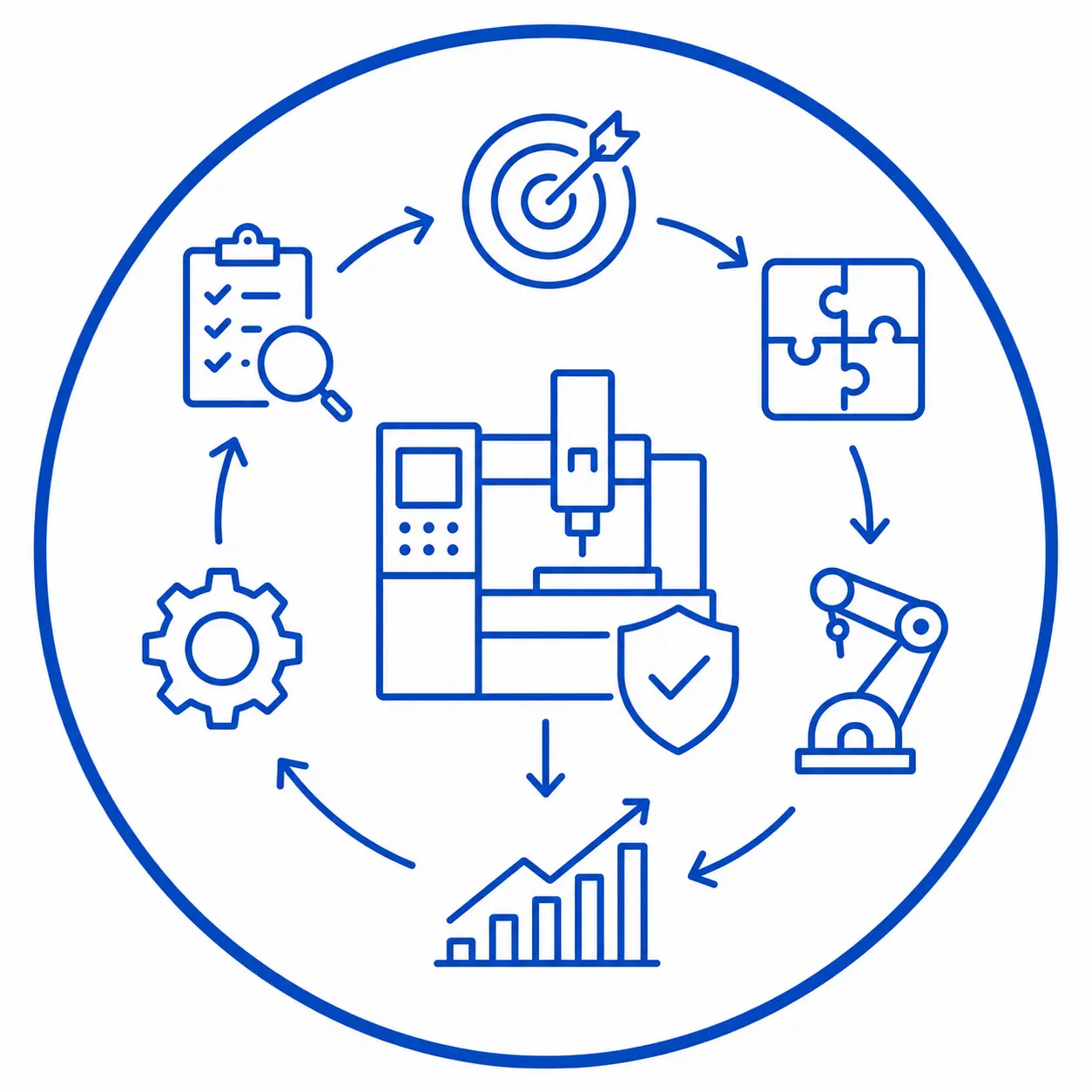
Every solution starts with a technical, production and economic analysis. We identify the machine configuration and the most effective combination of reconditioned used machines, components, accessories and, when necessary, new integrations, favoring the best technologies from leading Italian manufacturers. The result is a solution built around the customer’s actual needs, capable of offering the best balance between investment, performance, reliability and implementation times.

Our extensive stock of machines and accessories, combined with our in-house technical staff and dedicated printhead laboratory, allows us to quickly configure the required solution and respond promptly even to the most urgent project needs, reducing machine preparation and delivery times.
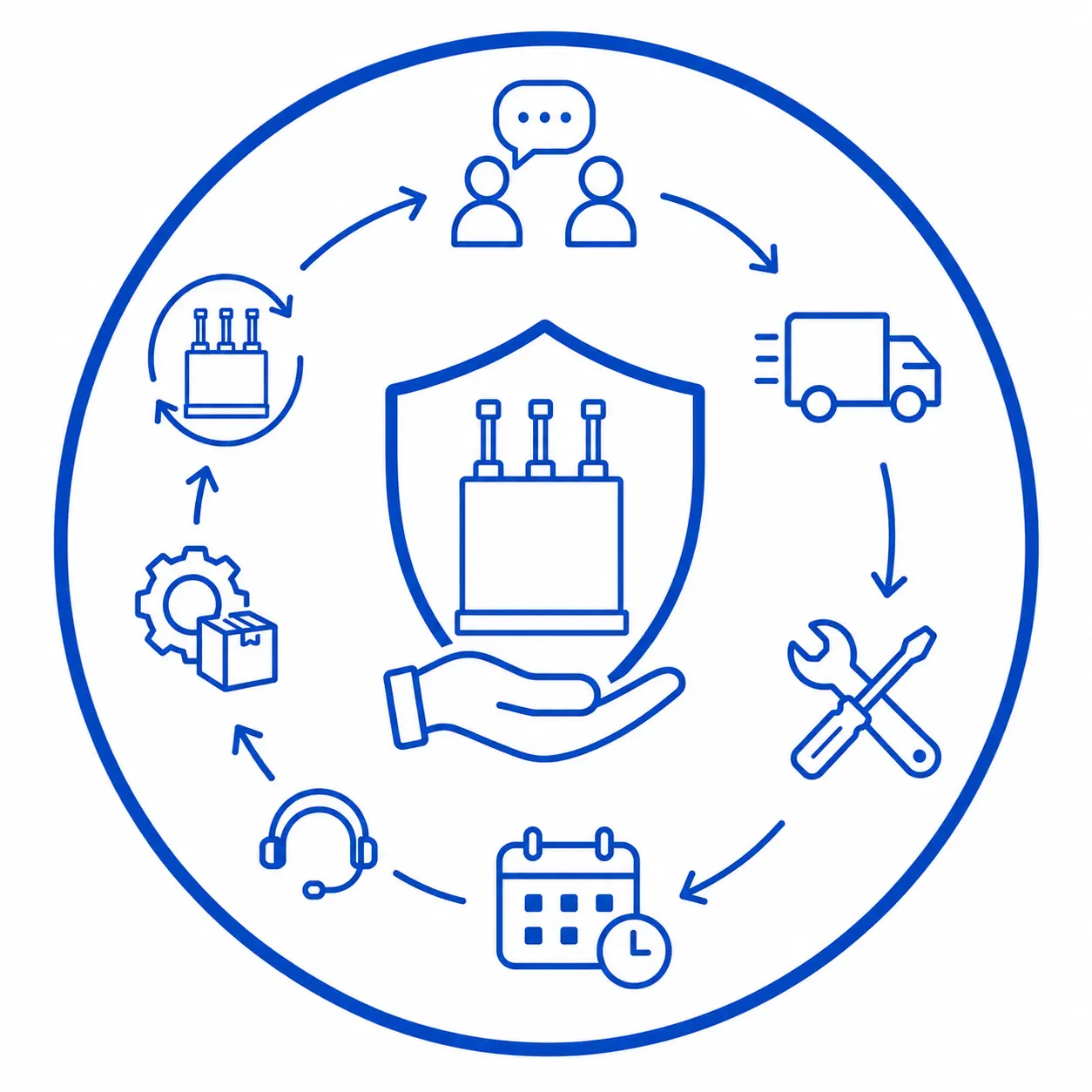
From initial consulting and supply through to installation, scheduled maintenance, timely specialist technical assistance, spare parts and printhead reconditioning, we provide expertise, services and technical support to accompany the customer over time.